A thoughtful start
is a safer start.
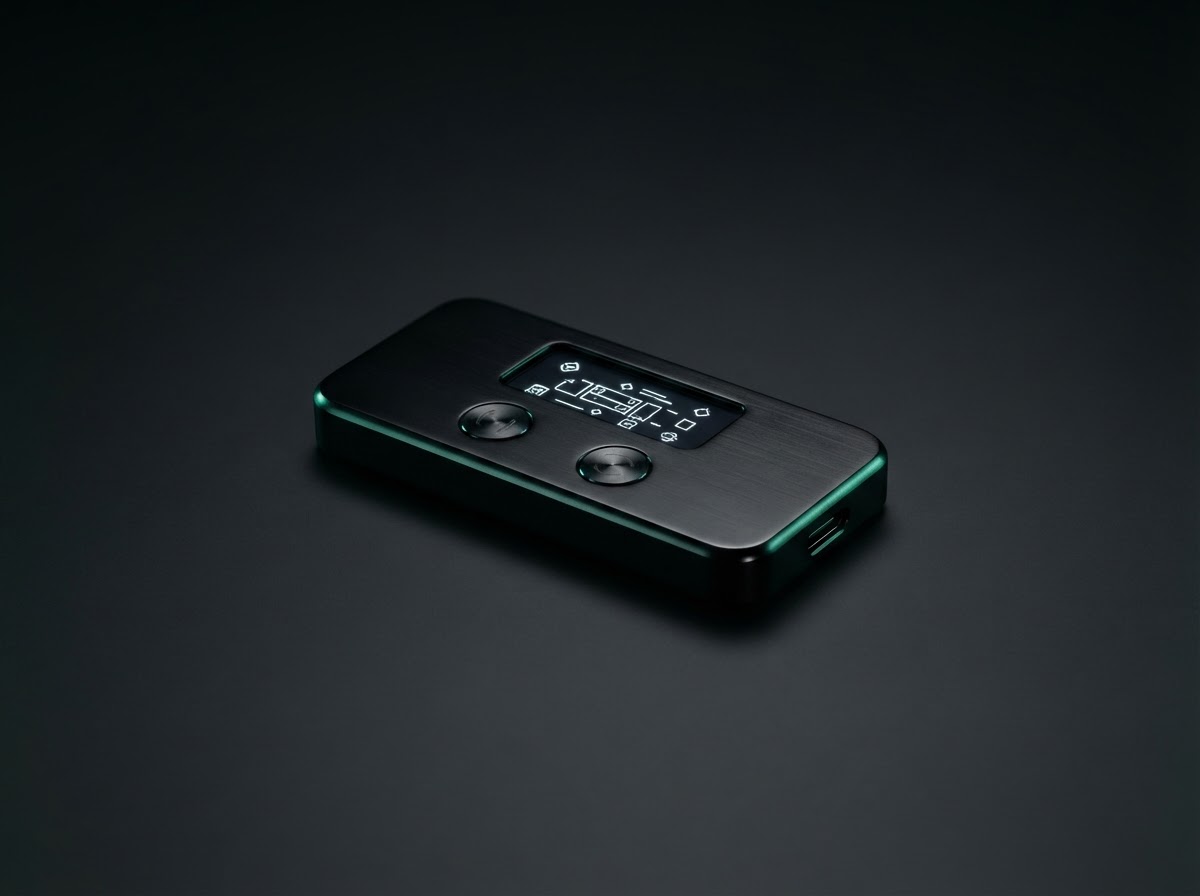
Trezor.io/start is commonly used as a starting point for learning about device setup and wallet preparation. This guide is educational, not an official Trezor resource and not a substitute for instructions shown by your device or its verified software.
Type website addresses yourself and check them carefully. Search ads, unsolicited messages, and look-alike pages can lead somewhere unsafe.
Preparation checklist
Choose a quiet place where you can focus and keep your device in sight. Use a computer or phone you trust, install current system updates, and ensure you have a stable connection. Gather the device, its supplied accessories, and paper or another secure offline way to record recovery information if the setup flow asks you to do so. Avoid public computers and shared workspaces.
- 01 Use a private, trusted device and network.
- 02 Set aside uninterrupted time; do not rush prompts.
- 03 Keep recovery details away from cameras and cloud storage.
Never enter recovery words into a website, chat, email, or ordinary computer form. Follow only the device’s own verified instructions for recovery setup.
Device connection
Start from a trusted source for the wallet’s official software and confirm the address before downloading or opening anything. Connect the device directly using an appropriate cable or connection method. Read the screen and the software together; if one asks you to do something the other does not describe, pause rather than guessing. A first connection is a good moment to check that you are interacting with your own device and not a simulated prompt.
Do not follow setup links sent by strangers or support accounts in social media comments. If the device, packaging, or on-screen flow looks unexpected, stop and consult independently verified manufacturer guidance.
Verification basics
Verification means taking time to compare details on the trusted device display with the action you intended. For an address or transaction, check the complete relevant details on the device itself before approving; do not rely only on what a browser page or clipboard shows. Malware can alter copied information. If any character or amount differs, reject or cancel and investigate.
Does the device show the destination and action you expect? If you cannot confidently answer, do not approve.
Recovery information
Recovery information can restore access to a wallet, so treat it like the keys to everything it protects. Write it down accurately, keep it private, and store it somewhere physically secure and protected from loss or damage. Do not photograph it, email it to yourself, paste it into notes, or upload it to cloud storage. Anyone who obtains it may be able to access the associated funds, regardless of where the device is kept.
Never disclose recovery words to a person claiming to be support. A legitimate helper does not need your secret recovery phrase. If you are unsure how your particular device handles recovery, stop and consult official documentation without sharing the words.
Security awareness
A hardware wallet can help keep private keys isolated from everyday internet use, but it cannot make every decision safe automatically. Your habits still matter: keep software sources verified, protect your device access, confirm transaction details, and approach unexpected urgency with skepticism. Use a separate bookmark you created yourself for routine access, and verify it periodically rather than trusting a link in a message.
Suspicious requests to avoid
Stop if anyone asks for recovery words, remote access to your computer, an “activation” deposit, or an urgent transfer to secure funds. Treat unsolicited troubleshooting links and requests to disable security protections as warning signs. Never approve an unexplained transaction to test, validate, or unlock a wallet.
Common beginner mistakes
Rushing setup, skipping device-screen checks, saving recovery details digitally, and trusting search results without inspecting the address are avoidable mistakes. Another common error is confusing a portfolio display with custody: a tracking view may summarize account activity, but it is not proof that a transaction is correct or that an asset is supported. Confirm supported networks and actions using current, trusted product documentation before proceeding.
When uncertain, pause. A few minutes spent checking is better than approving an action you do not understand.
Final review
Before you finish, confirm that your device and software agree, you know where recovery information is stored offline, and you understand how to verify future actions on the device display. Review account access and any portfolio-tracking tools separately from transaction approval. Trezor.io/start can be a useful phrase to orient your research, but always verify current setup steps through the manufacturer’s genuine channels.
Frequently asked
questions
What does Trezor.io/start mean? +
It is a phrase people use when looking for device-starting guidance. Confirm the correct destination through the manufacturer’s own verified channels; this independent page is educational and not official.
Can I store recovery information digitally? +
Avoid digital copies such as photos, notes, email, or cloud storage. Keep recovery information private and offline, following the device’s official instructions.
What if a setup prompt seems suspicious? +
Stop and do not approve or share secrets. Close the page, verify the official source independently, and consult trusted product documentation.
Does a portfolio tracker verify a transaction? +
No. A portfolio view can help you review activity, but always inspect transaction details on your trusted device before approval.